
[In the Media] Japan Should Play an Active Role in Discussions on WHO Reform Amid the Expanding Impact of the United States’ Withdrawal (Wedge ONLINE, April 28, 2026)
date : 5/27/2026

![[In the Media] Japan Should Play an Active Role in Discussions on WHO Reform Amid the Expanding Impact of the United States’ Withdrawal (Wedge ONLINE, April 28, 2026)](https://hgpi.org/en/wp-content/uploads/sites/2/eyecatch_sakamoto-9.jpg)
An article authored by Dr. Haruka Sakamoto, Senior Manager at Health and Global Policy Institute (HGPI) has been published in Wedge ONLINE.
Drawing upon the United States’ formal notification of withdrawal from the World Health Organization (WHO) in January 2025 and the subsequent procedural developments, the article examines the severe financial and governance-related challenges currently confronting the WHO. It further considers the role that Japan ought to assume within a WHO operating in the absence of the United States.
In the article, Dr. Sakamoto outlines the projected consequences of the US withdrawal for the WHO’s 2026–2027 budget, including a reduction from the originally planned US$5.3 billion to approximately US$4.2 billion, as well as the resulting implications for programs ranging from infectious disease surveillance to maternal and child health. She argues that the difficulties facing the WHO cannot be understood merely as the consequence of a single country’s withdrawal, but rather stem from more structural dynamics, including the rise of nationalism, the growing emphasis on bilateral assistance, and governance arrangements in which member states’ financial contributions are not necessarily aligned with their influence over decision-making processes. The article additionally emphasizes that the WHO’s role as a “norm-setting institution”, exemplified by the WHO Framework Convention on Tobacco Control, constitutes an international public good that is inseparable from global responses to infectious disease pandemics, antimicrobial resistance (AMR), and broader issues of economic security.
Against this backdrop, Sakamoto notes that Japan is serving as a member state on the WHO Executive Board in 2026 and is the only G7 country currently participating in those deliberations. She contends that Japan’s longstanding post-war commitment to the principle of “human security”, together with its accumulated experience in technical cooperation and the establishment in 2025 of the Universal Health Coverage (UHC) Knowledge Hub in Japan, provide an important foundation of trust capable of facilitating dialogue beyond geopolitical divisions. Looking ahead to the appointment of the next Director-General following the conclusion of Dr Tedros Adhanom Ghebreyesus’s term in August 2027, the article further highlights the strategic importance of Japan engaging proactively in discussions on WHO reform, particularly with regard to restoring the organization’s norm-setting functions and enhancing fiscal transparency.
Related Posts
-
2026-01-28
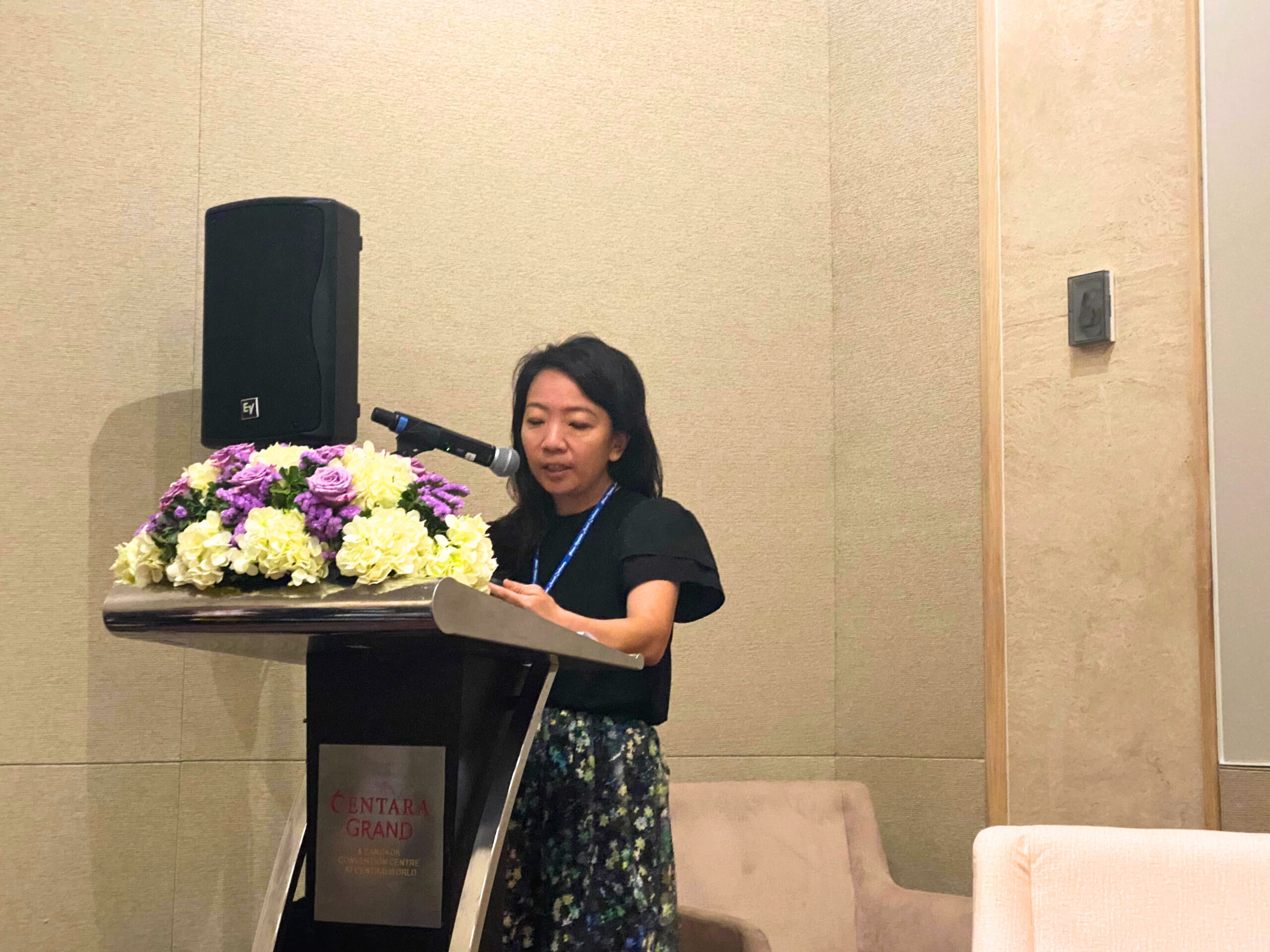
[Lecture Report] PMAC 2026 Side Event “SMB212: Unboxing Healthy Ageing in Thailand” (January 26, 2026, Bangkok, Thailand)
-
2026-01-20
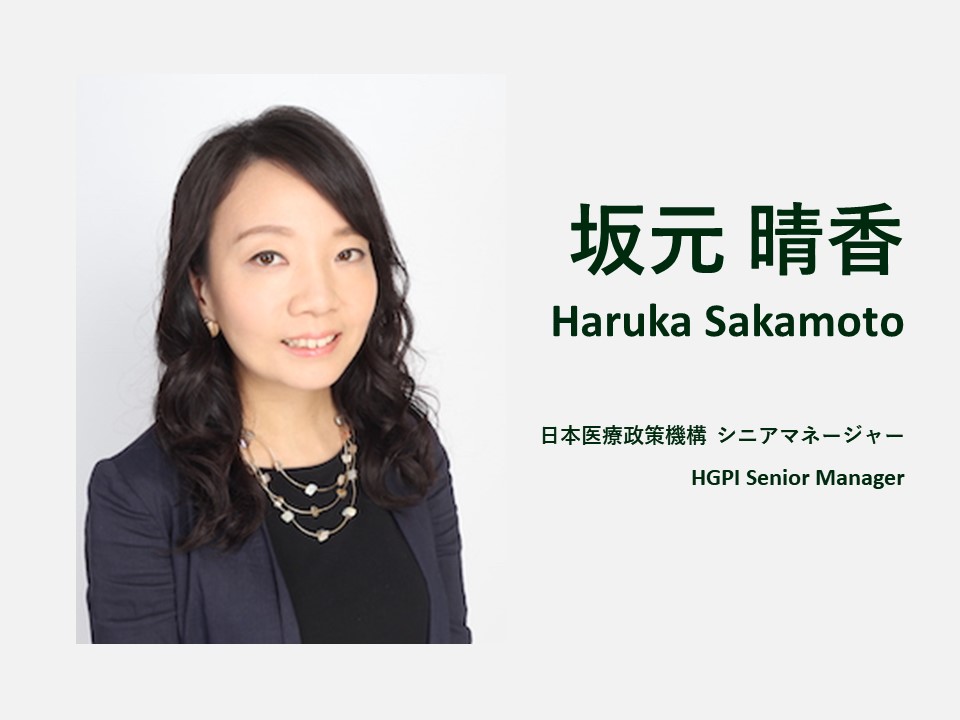
[Lecture Report] Lecture Delivered at the “Maternal Continuum of Care and UHC” Training Program (JOICEF, January 13, 2026, Online)
-
2026-04-20
[Announcement] HGPI Endorses the UHC2030 Global Compact for Progress Towards Universal Health Coverage (March 31, 2026)
-
2026-05-01
[Announcement] Signs Health Policy Recommendations to the G7 by the C7 Global Health Working Group (March 30, 2026)
Top Research & Recommendations Posts
- [Research Report] Energy Conservation and Greenhouse Gas Emissions Reduction in Healthcare Facilities: Case Studies from New Construction and Facility Renewal (March 16, 2026)
- [Public Comment Submission] “The 7th Science, Technology and Innovation Basic Plan” (Draft) (February 19, 2026)
- [Research Report] Perceptions, Knowledge, Actions and Perspectives of Healthcare Organizations in Japan in Relation to Climate Change and Health: A Cross-Sectional Study (November 13, 2025)
- [Policy Recommendations] Mental Health Project: Recommendations on Three Issues in the Area of Mental Health (July 4, 2025)
- [Research Report] The 2025 Public Opinion Survey on Healthcare in Japan (March 17, 2025)
- [Policy Recommendations] Dementia Project “The Future of Dementia Policy Surrounding Families and Others Who Care for People with Dementia” (April 27, 2026)
- [Research Report] The 2026 Public Opinion Survey on Healthcare in Japan (February 13, 2026)
- [Policy Recommendations] Developing a National Health and Climate Strategy for Japan (June 26, 2024)
- [Announcement] Signs Health Policy Recommendations to the G7 by the C7 Global Health Working Group (March 30, 2026)
- [Research Report] A Nationwide Survey on Cancer in Japan: 20 Years Since the Enactment of the Cancer Control Act (April 28, 2026)
Featured Posts
-
2026-05-13
[Registration Open] HGPI Salon 2025-2026 Looking Ahead to the Future of Japan’s Social Security System “Session 5: The Value of Healthcare in Society – Perspectives from the Reiwa Era” (June 29, 2026)
![[Registration Open] HGPI Salon 2025-2026 Looking Ahead to the Future of Japan’s Social Security System “Session 5: The Value of Healthcare in Society – Perspectives from the Reiwa Era” (June 29, 2026)](https://hgpi.org/en/wp-content/uploads/sites/2/5thHGPISalon_20260629.png)
-
2026-05-15
[Registration Open] (Webinar) The 2nd J-PEP Seminar – A New Framework for Providing Information on Clinical Trial Participant Recruitment – Legal Points to Consider from the Perspective of Meaningful Involvement (June 15, 2026)
![[Registration Open] (Webinar) The 2nd J-PEP Seminar – A New Framework for Providing Information on Clinical Trial Participant Recruitment – Legal Points to Consider from the Perspective of Meaningful Involvement (June 15, 2026)](https://hgpi.org/en/wp-content/uploads/sites/2/HGPI_20260615_The2nd-J-PEPseminar.jpg)
-
2026-05-18
[Registration Open] Kick-off Panel Discussion “From Japan and Africa, in Discussion with the World: Cultivating Together a Philosophical Dialogue on Health” (June 15, 2026)
![[Registration Open] Kick-off Panel Discussion “From Japan and Africa, in Discussion with the World: Cultivating Together a Philosophical Dialogue on Health” (June 15, 2026)](https://hgpi.org/en/wp-content/uploads/sites/2/HGPI_20260615_Eyecathch_panel-discussion-From-Japan-and-Africa-in-Discussion-with-the-World‗02.png)
-
2026-05-19
[Registration Open] (Webinar) HGPI Special Seminar “Building a Society Where People Live with Blood Disorders: The Future of Blood Disorder Policy as Examined from the Frontlines of Home-Based Care × Lived Experience Research” (June 12, 2026)
![[Registration Open] (Webinar) HGPI Special Seminar “Building a Society Where People Live with Blood Disorders: The Future of Blood Disorder Policy as Examined from the Frontlines of Home-Based Care × Lived Experience Research” (June 12, 2026)](https://hgpi.org/en/wp-content/uploads/sites/2/HGPI_20260515_HGPI-Special-Seminar-Blood-Disorders.png)
